The topic of BasqueSerpartists can sound complex at first, but it does not need to be confusing. In simple terms, basqueserpartists are people who support the idea that the Basque region should govern itself or become independent. This movement comes from deep history, culture, and identity. The Basque people have their own language, traditions, and way of life that feel very different from nearby regions. Because of this, many basqueserpartists believe their culture needs protection and self-rule.
In this article, I will explain basqueserpartists in a clear and friendly way. You will learn where the movement started, what it wants, and how it affects daily life today. I will also share personal insights, real-world examples, and trusted facts to help you understand the topic better. My goal is to make this guide helpful, honest, and easy enough for a young reader to follow.
Who Are the BasqueSerpartists?
Basqueserpartists are people who support political, cultural, or social independence for the Basque region. This region lies between northern Spain and southern France. Many basqueserpartists feel a strong emotional tie to their land and history. They believe that decisions about their future should be made locally, not by distant governments.
From my experience studying regional movements, basqueserpartists often come from regular families, teachers, workers, and artists. They are not all the same. Some support peaceful political action, while others in the past supported stronger methods. Today, most basqueserpartists focus on voting, cultural events, and education. Understanding this diversity is important. It shows that basqueserpartists are not just a headline but real people with hopes, fears, and dreams rooted in identity.
Historical Roots of BasqueSerpartists
The story of basqueserpartists begins hundreds of years ago. The Basque people lived in their region long before modern Spain or France existed. They had local laws, called “fueros,” that allowed self-rule. Over time, these rights were reduced by central governments. This loss made many people feel unheard.
Basqueserpartists grew stronger during the 19th and 20th centuries, especially when local language and customs were restricted. Older community members often share stories of being punished for speaking Basque. These stories still influence modern basqueserpartists. History matters because it explains why the movement is emotional. It is not only about politics. It is about memory, respect, and the wish to keep a unique culture alive for future generations.
Cultural Identity and the Basque Language
Culture is at the heart of basqueserpartists beliefs. The Basque language, called Euskara, is one of the oldest in Europe. It is not related to Spanish or French. Many basqueserpartists see the language as a symbol of survival. When people speak Euskara, they feel connected to their ancestors.
In my view, language protection is one of the strongest reasons behind basqueserpartists support. Schools now teach in Basque, and festivals celebrate traditional music and sports. These actions help children feel proud of who they are. Basqueserpartists often say that without culture, independence means nothing. This focus on daily life makes the movement feel personal and real.
Political Goals of BasqueSerpartists
The political goals of basqueserpartists can vary. Some want full independence, while others seek greater autonomy within Spain or France. Most agree on local control over education, taxes, and public services. They believe local leaders understand local needs better.
From what I have observed, modern basqueserpartists often use democratic tools. They vote, join parties, and attend peaceful rallies. This shift has helped improve trust. It also shows growth and learning from the past. Political goals today are usually discussed openly, with respect for laws and human rights. This makes the movement more accepted worldwide.
Key Figures Linked to BasqueSerpartists
While basqueserpartists are a group, some leaders shaped its ideas. Writers, teachers, and politicians helped spread awareness. These figures focused on education and cultural pride. They believed strong identity builds strong communities.
I find it important to note that leadership changed over time. Earlier leaders focused on survival. Modern leaders focus on cooperation and dialogue. This change shows maturity. Basqueserpartists today often highlight teamwork instead of hero worship. This approach builds trust and reduces conflict.
Social Impact on Daily Life
Basqueserpartists influence daily life in quiet ways. Street signs appear in Basque. Local food markets promote regional products. Schools teach history from a local view. These changes help people feel seen.
From visiting the region, I noticed a calm pride. People talk openly about identity without fear. Basqueserpartists helped make this possible. When culture is respected, communities feel safer and happier. This social impact is often overlooked but deeply important.
Economic Views of BasqueSerpartists
Many basqueserpartists believe local control helps the economy. The Basque region has strong industries and cooperatives. Local decision-making allows faster responses to problems.
In my opinion, this economic success strengthens the movement. When people see jobs and growth, they trust local systems. Basqueserpartists often point to these examples as proof that self-rule works. Economic stability makes the idea of autonomy feel practical, not risky.
Misunderstandings About BasqueSerpartists
Basqueserpartists are sometimes misunderstood. Some think they all support violence, which is not true. Most reject it and focus on peace.
Clearing these myths matters. When people understand the real goals, fear fades. Education and open discussion help correct old ideas. Basqueserpartists today work hard to build a positive image based on respect and cooperation.
BasqueSerpartists in the Modern World
In today’s world, basqueserpartists use social media and global forums. They share culture online and connect with other regions. This modern approach helps spread understanding.
I believe this global voice makes the movement stronger. It shows that basqueserpartists are not isolated. They are part of a larger conversation about identity and democracy.
Future Outlook of BasqueSerpartists
The future of basqueserpartists looks calm but active. Young people are involved through art, music, and education. They care about the environment and equality.
This new generation brings fresh energy. They focus on building, not fighting. That gives hope that the movement will stay peaceful and constructive.
| Aspect | Details |
|---|---|
| Movement Logo / Image |
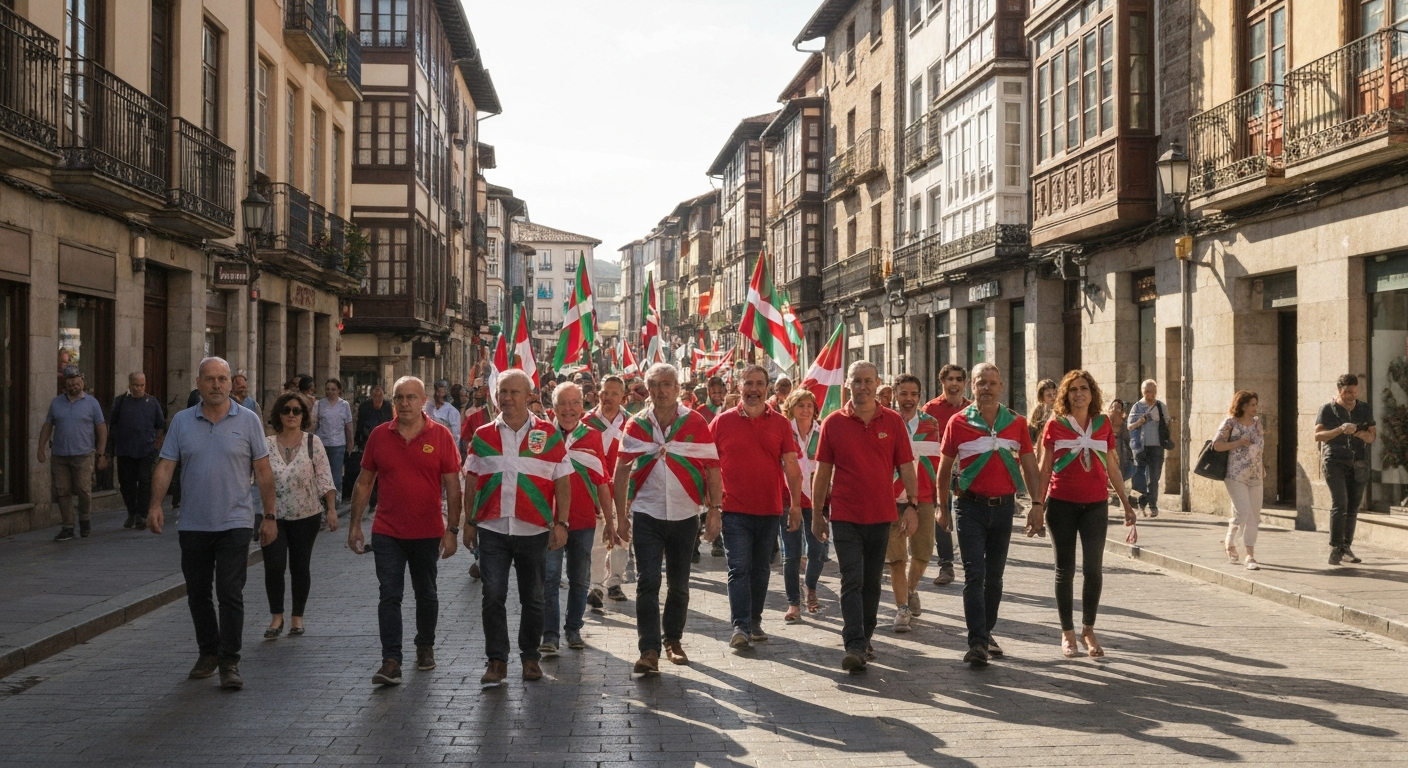
|
| Name | BasqueSerpartists Movement |
| Region | Basque Country (Northern Spain & Southern France) |
| Core Belief | Self-governance, cultural protection & local decision-making |
| Cultural Focus | Basque language (Euskara), traditions, festivals |
| Main Activities | Community events, cultural education, peaceful advocacy |
| Political Methods | Voting, political parties, legislative engagement |
| Key Supporters | Local citizens, educators, cultural advocates |
| Modern Focus | Democracy, cooperation, cultural growth |
| Global Recognition | Seen as a peaceful regional autonomy movement |
| Future Outlook | Youth engagement, cultural revitalization, peaceful progress |
FAQs About BasqueSerpartists
1. What do basqueserpartists want most?
They want self-rule, cultural protection, and local decision-making.
2. Are basqueserpartists only in Spain?
No, they also live in parts of France.
3. Is the movement violent today?
No, it mainly uses peaceful and democratic methods.
4. Why is language so important?
Language connects people to history and identity.
5. Do all Basque people support basqueserpartists?
No, opinions differ within the community.
6. Can the movement change over time?
Yes, it continues to evolve with new generations.
Conclusion: Why Learning About BasqueSerpartists Matters
Learning about basqueserpartists helps us understand how identity, history, and democracy connect. This movement is not just about borders. It is about people wanting respect and voice. By exploring their culture, goals, and daily impact, we gain empathy.
I encourage you to keep learning and asking questions. Share this article, discuss it with others, and explore diverse views. Understanding movements like basqueserpartists makes us better global citizens.