Introduction
A blizzard warning is one of the most serious winter weather alerts you can get. It tells people that dangerous snow and wind conditions are happening or will start very soon. I have lived through several winter storms, and I can say this warning is not something to ignore. When a blizzard warning is issued, travel becomes risky, power outages can happen, and visibility can drop to almost zero. Many people ask, what is a blizzard warning, and why does it matter so much? This article explains everything in a clear and friendly way. You will learn what makes a blizzard warning, where blizzard warnings are common, and how to stay safe. We will also look at real examples like a blizzard warning issued for southern Minnesota, blizzard warning Iowa, and even rare cases like a blizzard warning Louisiana. By the end, you will know exactly what a blizzard warning means and what actions to take.
What Is a Blizzard Warning?
Many people wonder, what is blizzard warning and how it differs from other alerts. A blizzard warning means severe winter weather is expected or already happening. It includes strong winds of at least 35 miles per hour, heavy snow, and very low visibility for three hours or more. When asking what is a blizzard warning mean, the short answer is danger. Roads can close fast, cars can get stuck, and walking outside can be life-threatening. I once saw whiteout conditions where I could not see my own driveway. That is how serious this warning is. Weather experts issue this alert to protect lives, not to scare people. If you ever ask, is there a blizzard warning in your area, check official weather sources right away. Understanding what a blizzard warning is helps families prepare early and avoid risky decisions during winter storms.
What Does a Blizzard Warning Mean for Daily Life?
People often ask, what does a blizzard warning mean for work, school, and travel. Simply put, it means plans should change. Schools often close, flights get canceled, and roads become unsafe. When thinking about what does blizzard warning mean, imagine strong winds pushing snow sideways, making it impossible to see. Even experienced drivers can lose control. During a southern Minnesota blizzard warning, many towns shut down completely for safety. Grocery stores may close early, and emergency services prepare for rescues. This warning also tells you to stay indoors if possible. From my experience, staying home during a blizzard warning is the smartest choice. It is not about inconvenience. It is about staying alive and avoiding accidents that could be prevented by simply waiting for the storm to pass.
What Constitutes a Blizzard Warning?
To understand what constitutes a blizzard warning, you need to know the official weather rules. A blizzard warning is issued when three conditions happen together. First, winds reach or exceed 35 miles per hour. Second, snow is falling or blowing heavily. Third, visibility drops below a quarter mile for at least three hours. People also ask what makes a blizzard warning, and the answer is the combination of wind and snow, not just snowfall alone. Even light snow can be dangerous if winds are strong. This is why blizzard warnings are taken seriously by meteorologists. These conditions can lead to frostbite in minutes and make rescue efforts very difficult. Knowing these details helps you understand why warnings are issued early and why ignoring them can be dangerous.
What Are the Warning Signs of a Blizzard?
Knowing what are the warning signs of a blizzard can help you act fast. One clear sign is rapidly increasing wind speeds. Another is snow that starts drifting across roads and sidewalks. The sky may look gray or white, and visibility drops quickly. Temperatures also fall sharply. Before a blizzard warning is issued, weather forecasts often mention strong winter storms. I always watch how fast conditions change. If snow starts blowing sideways, it is time to get inside. Power flickers can also be an early sign. These warning signs tell you to finish errands, charge devices, and stay put. Recognizing these signs early can keep you safe and reduce panic during severe winter weather.
Where Is the Blizzard Warning Most Common?
People frequently ask, where is the blizzard warning most likely to happen. Blizzard warnings are common in northern and central parts of the United States. Areas like Minnesota, Iowa, and Colorado see them often. For example, a blizzard warning issued for southeast Minnesota can impact both cities and rural roads. Mountain regions also face alerts, such as a Cascades blizzard warning, where snow and wind hit hard. Even remote areas like the Dempster Highway blizzard warning May show how unpredictable weather can be. While rare, southern states may also see alerts, leading to headlines like blizzard warning Louisiana. Understanding where blizzard warnings happen helps people stay prepared year-round.
Blizzard Warning Issued for Southern Minnesota: A Real Example
A blizzard warning issued for southern Minnesota is a serious event. This region often experiences strong winter storms due to open land and fast-moving winds. During one recent storm, highways closed, and emergency shelters opened. A southern Minnesota blizzard warning means whiteout conditions can appear quickly. Many residents prepare winter kits with food, water, and blankets. Schools and businesses usually close early. From personal experience, these storms can last longer than expected. That is why local officials stress staying indoors. This example shows how a blizzard warning directly affects daily life and why preparation matters so much.
Blizzard Warning Issued for Southeast Minnesota and Iowa
A blizzard warning issued for southeast Minnesota often overlaps with a blizzard warning Iowa. These areas share similar weather patterns. Strong winds sweep across open farmland, pushing snow into deep drifts. Travel becomes nearly impossible. During one storm, drivers were rescued after being stuck for hours. Local authorities urge people to avoid travel unless it is an emergency. These warnings are not guesses. They are based on real data and experience. Understanding how these regions respond can teach others how to prepare when a blizzard warning is announced nearby.
Blizzard Warning Colorado, Cascades, and Unusual Locations
A blizzard warning Colorado often affects mountain passes and high plains. Snowfall may be heavy, but wind is the real danger. In the Pacific Northwest, a Cascades blizzard warning can surprise travelers not used to extreme snow. Even more surprising is a blizzard warning Louisiana, which is rare but possible during extreme cold events. These examples show that blizzard warnings are not limited to one region. Weather patterns change, and unusual alerts can happen anywhere. Staying informed helps people react quickly, no matter where they live.
Blizzard Warning Biography Table (Complete Details)
| Severe Weather Alert Details | |
|---|---|
| Alert Image |
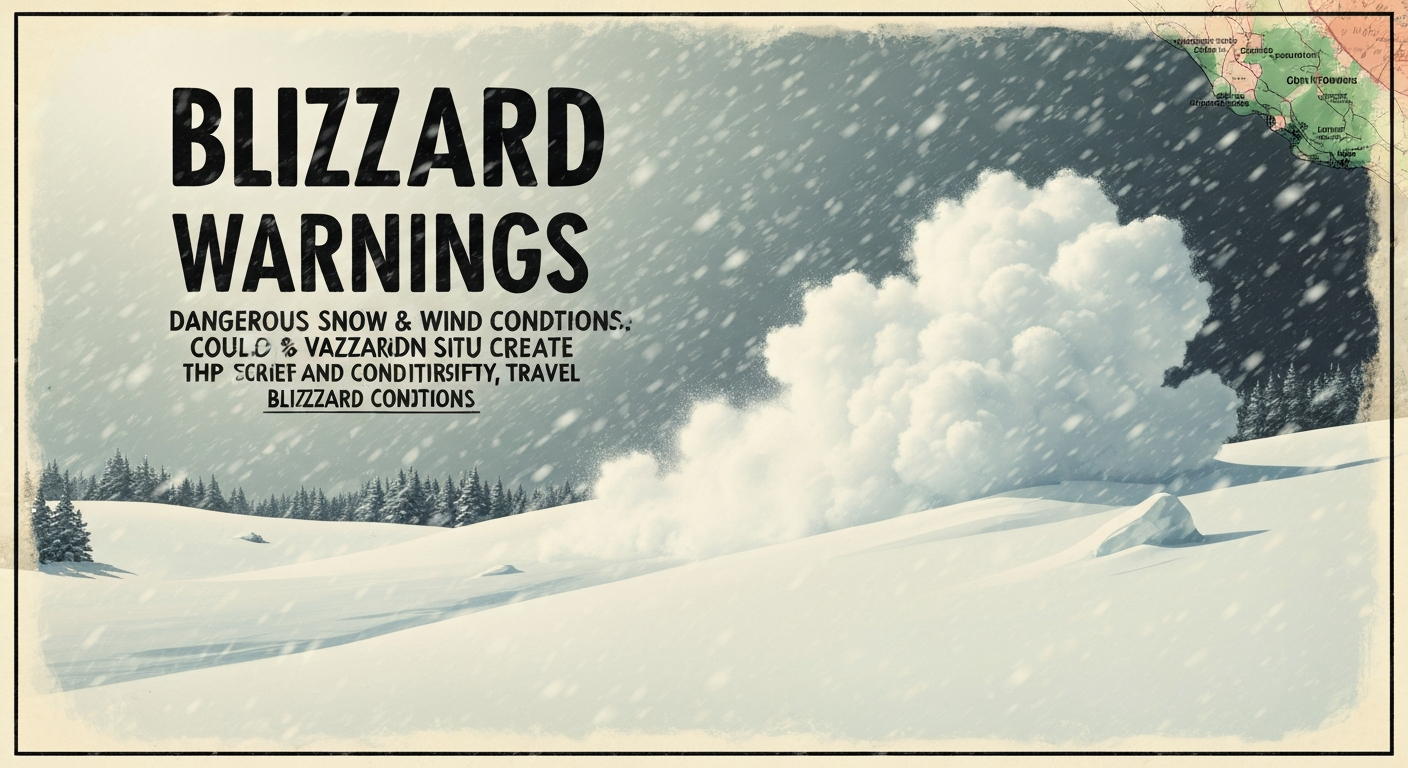
|
| Warning Name | Blizzard Warning |
| Issued By | National Weather Service |
| Wind Speed | 35 mph or higher |
| Visibility | Less than ¼ mile |
| Duration | At least 3 hours |
| Common Locations | Minnesota, Iowa, Colorado, Cascades |
| Rare Locations | Louisiana |
| Main Dangers | Whiteouts, frostbite, power loss |
| Safety Action | Stay indoors, avoid travel |
FAQs About Blizzard Warning
Is there a blizzard warning different from a winter storm warning?
Yes. A blizzard warning includes strong winds and low visibility, not just snow.
What is a blizzard warning mean for travel?
It means travel is dangerous and should be avoided if possible.
Where is the blizzard warning announced first?
Official weather services announce it through alerts, apps, and news.
What makes a blizzard warning more dangerous than heavy snow?
The wind causes whiteouts and extreme cold, increasing risk.
What is a blizzard warning mean for schools?
Schools often close to keep children safe.
Can a blizzard warning happen without heavy snow?
Yes. Blowing snow and strong winds alone can meet warning rules.